

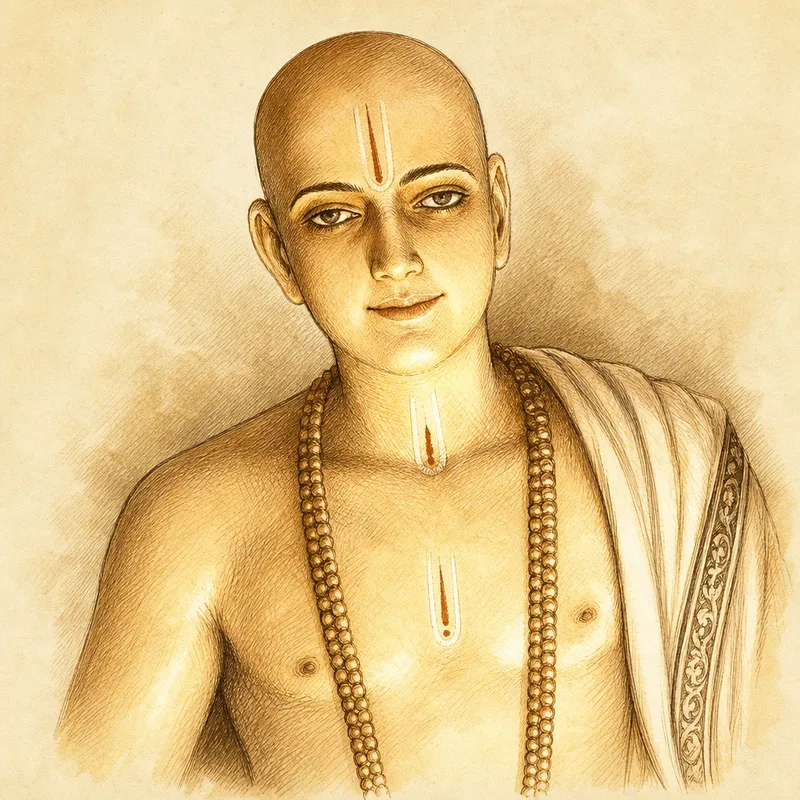
Madhvacharya
The philosopher-saint who gave the world Dvaita Vedanta — and gave Udupi its Krishna, and the eight mathas that keep his flame.
ಉಡುಪಿ · Udupi
Udupi is barely a dot on the map of India — a temple, a few streets, the sea close by. And yet this little coast gave the world the masala dosa, a whole school of philosophy, a global education town, and a roll-call of writers, judges, builders and saints far longer than its size has any right to. A few things worth knowing before you arrive.
Things you might not know
The masala dosa the world adores began as temple food — cooked in the Krishna Matha kitchens to be offered to Lord Krishna.
Krishna here faces west, worshipped through a silver nine-holed window. Legend says he turned, to bless the poet-devotee Kanakadasa who could not enter — the spot is honoured still as the Kanakana Kindi.
Every two years, eight monasteries hand over charge of the temple in a grand procession — the Paryaya — a living tradition found in no other town.
The hexagonal lava rocks of St Mary’s Isles, off Malpe, are a National Geological Monument — and where Vasco da Gama is said to have first stepped onto Indian sand, in 1498.
Those “Udupi hotels” from Mumbai to Manhattan? Every one of them traces home to this one small temple town and its vegetarian kitchens.
Gadbad — that towering glass of layered ice cream, fruit and falooda — was invented right here, at Hotel Diana.
The names this town gave the world
Saints and seers, a Jnanpith laureate, the man who built Manipal, a Supreme Court judge, and the uncle who taught a billion children their own myths — all of them, from here.
The philosopher-saint who gave the world Dvaita Vedanta — and gave Udupi its Krishna, and the eight mathas that keep his flame.
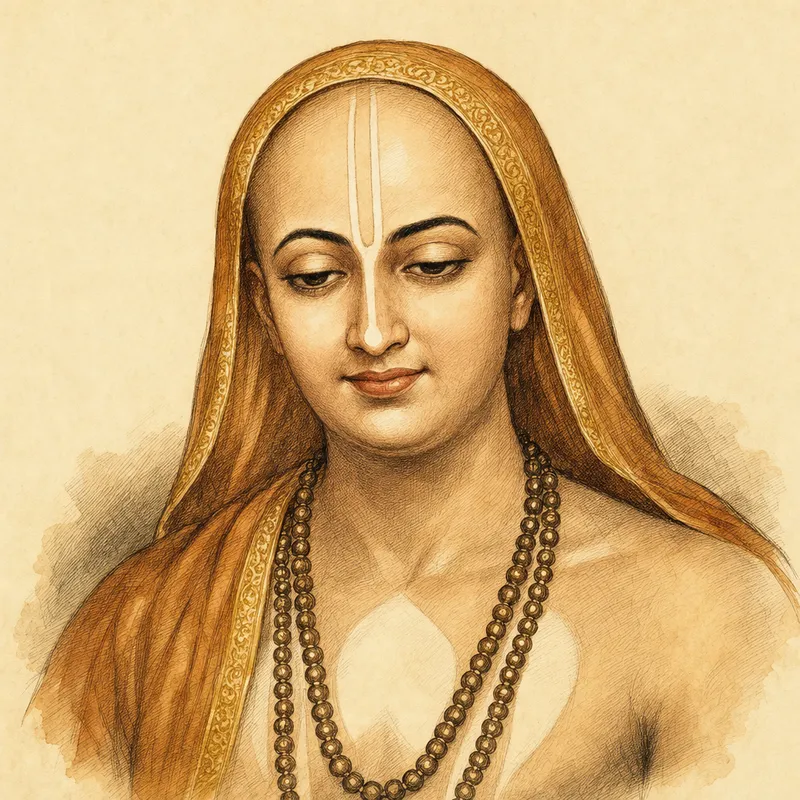
Poet, saint and reformer of the Sode Mutt — who shaped the Paryaya tradition Udupi still lives by.
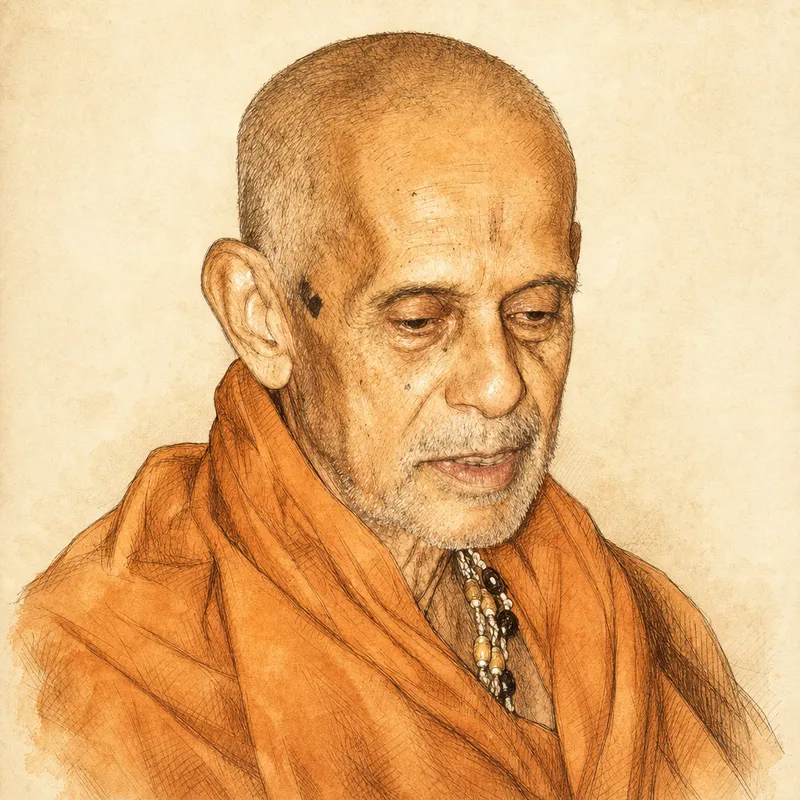
The Pejavar seer who carried the temple to the poorest doorsteps — devotion as service, five Paryayas over.
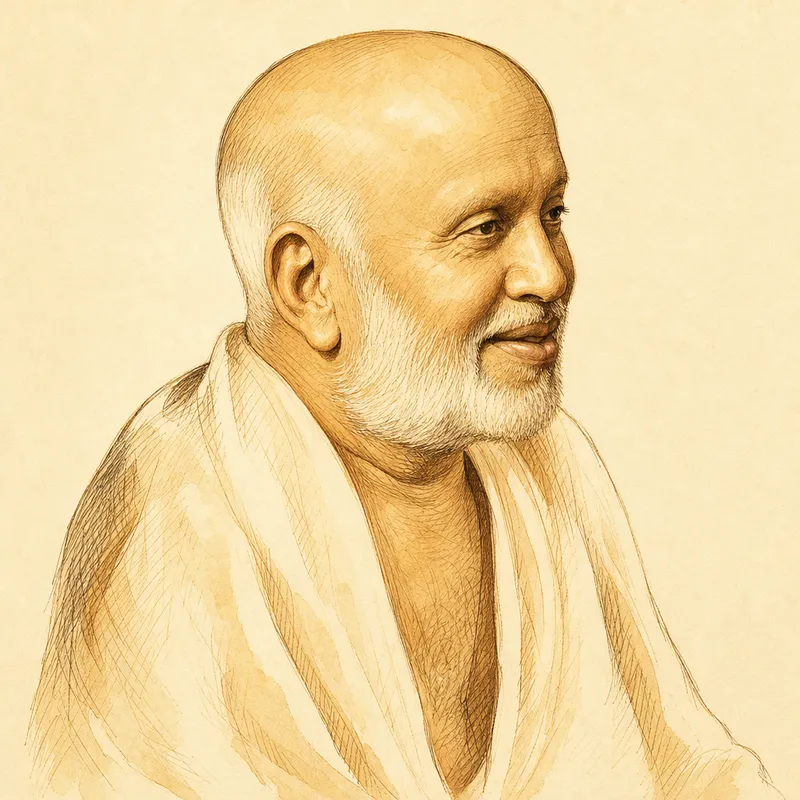
The Admar seer who raised Poornaprajna into a seat of learning — scripture in one hand, a classroom in the other.
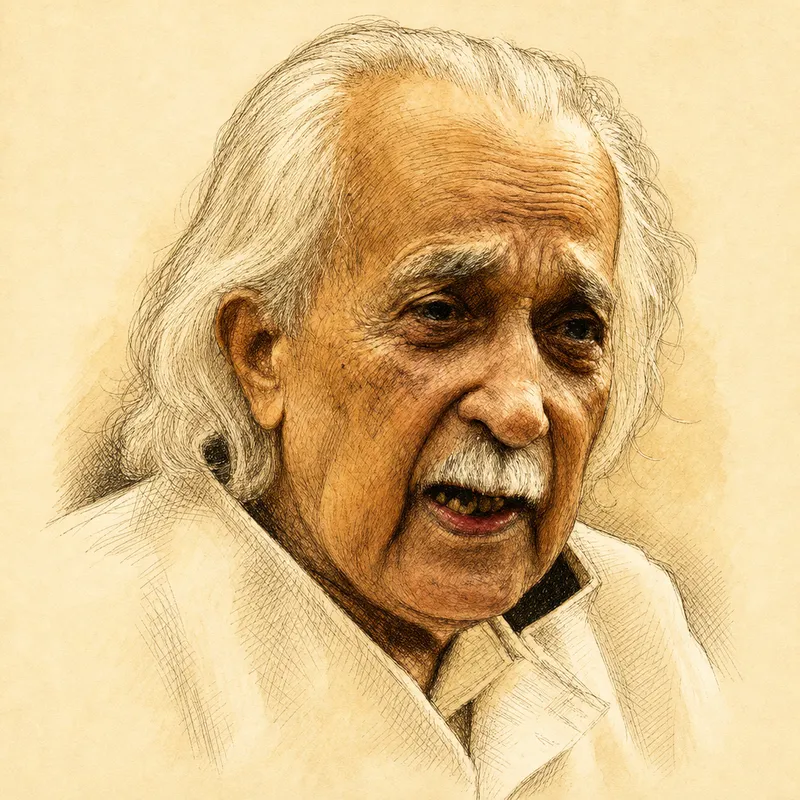
Novelist, Yakshagana revivalist, environmentalist — a one-man renaissance, with a Jnanpith to show for it.
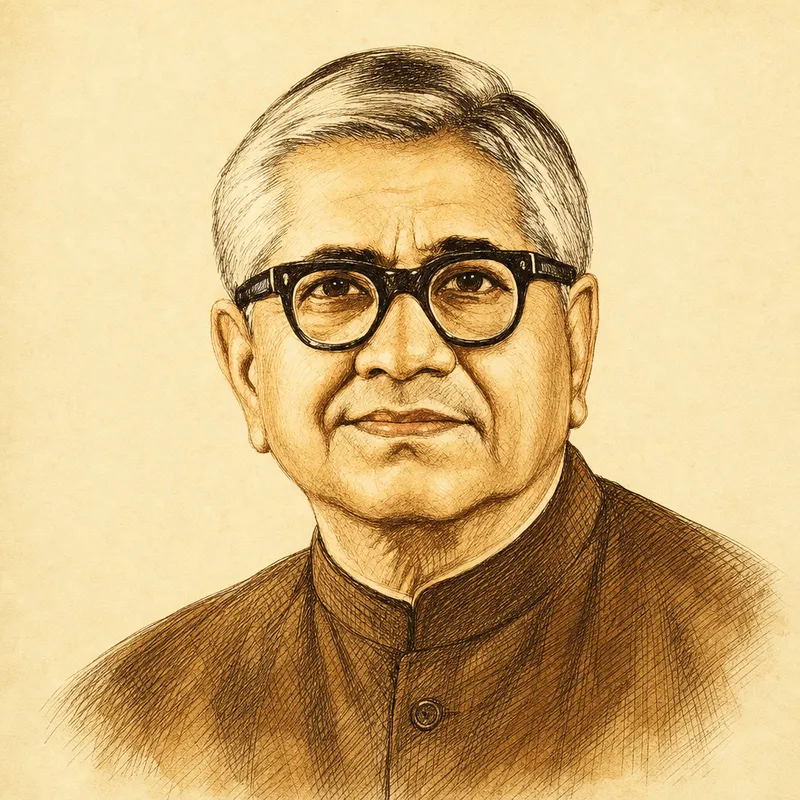
Turned a barren laterite hill into Manipal — proof of what one stubborn dreamer can raise from red earth.
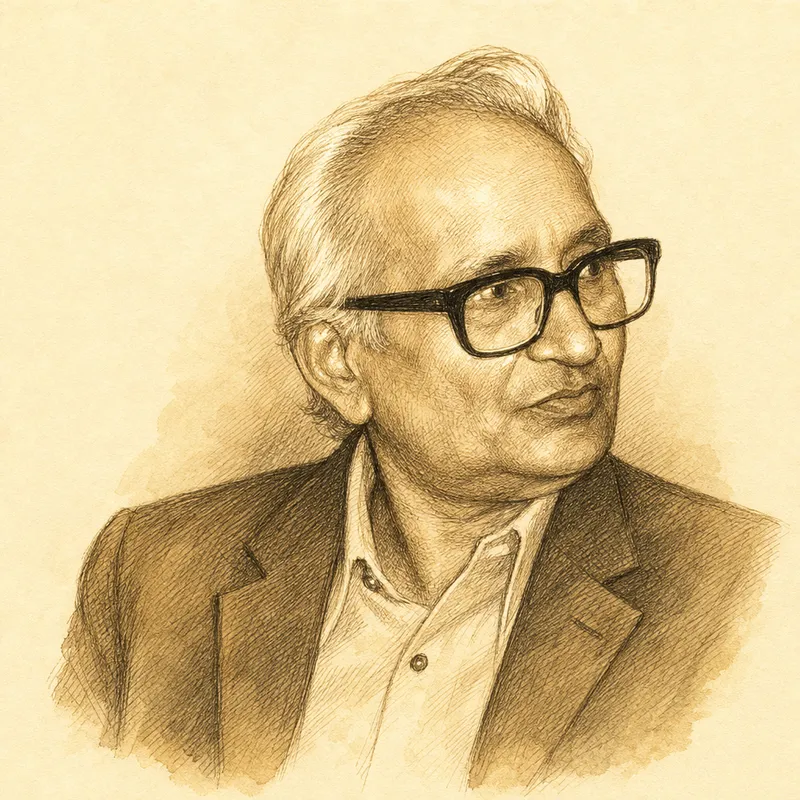
The father of Navya — who taught modern Kannada poetry to think for itself.
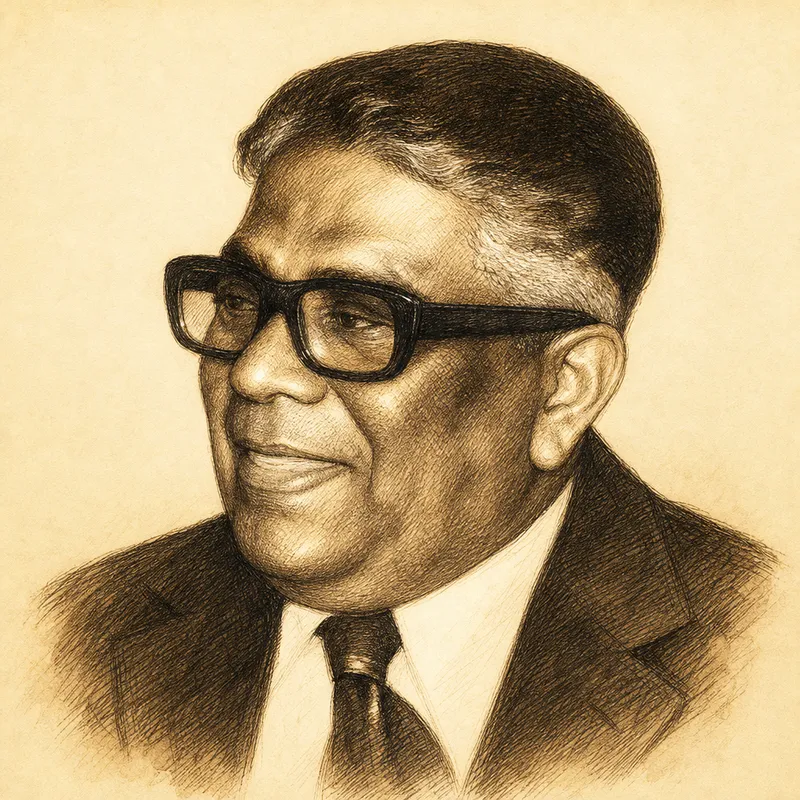
From the coast to the Supreme Court bench, and on to the Speaker’s chair — conscience in robes.
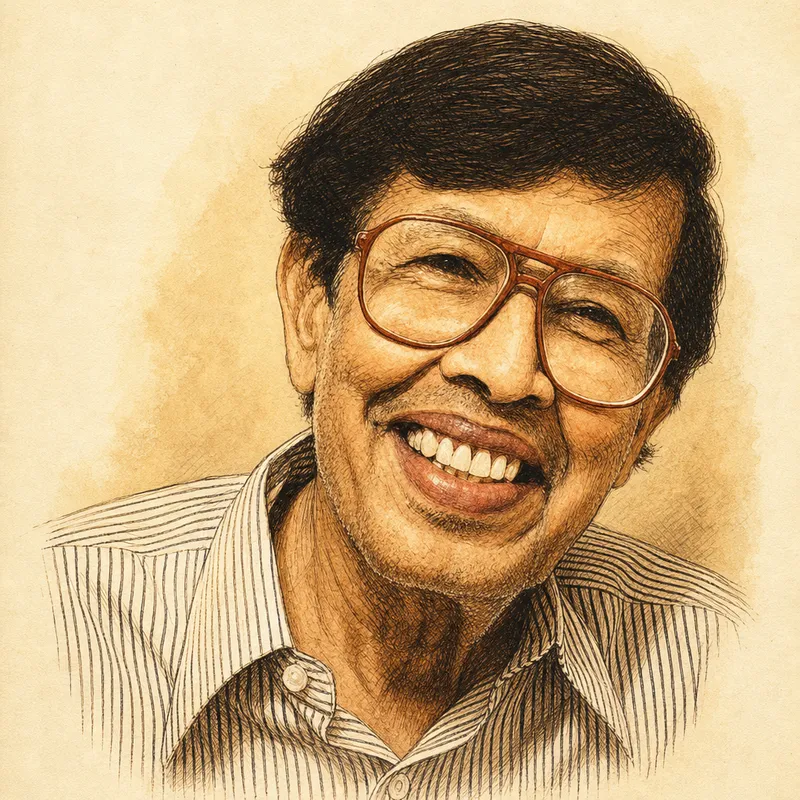
“Uncle Pai” — who handed a generation its myths in comic-book colour, through Amar Chitra Katha and Tinkle.
Illustrated portraits, rendered in one hand so they sit together as a family.
All of it — the temple, the coast, the kitchens — a few minutes from our door.